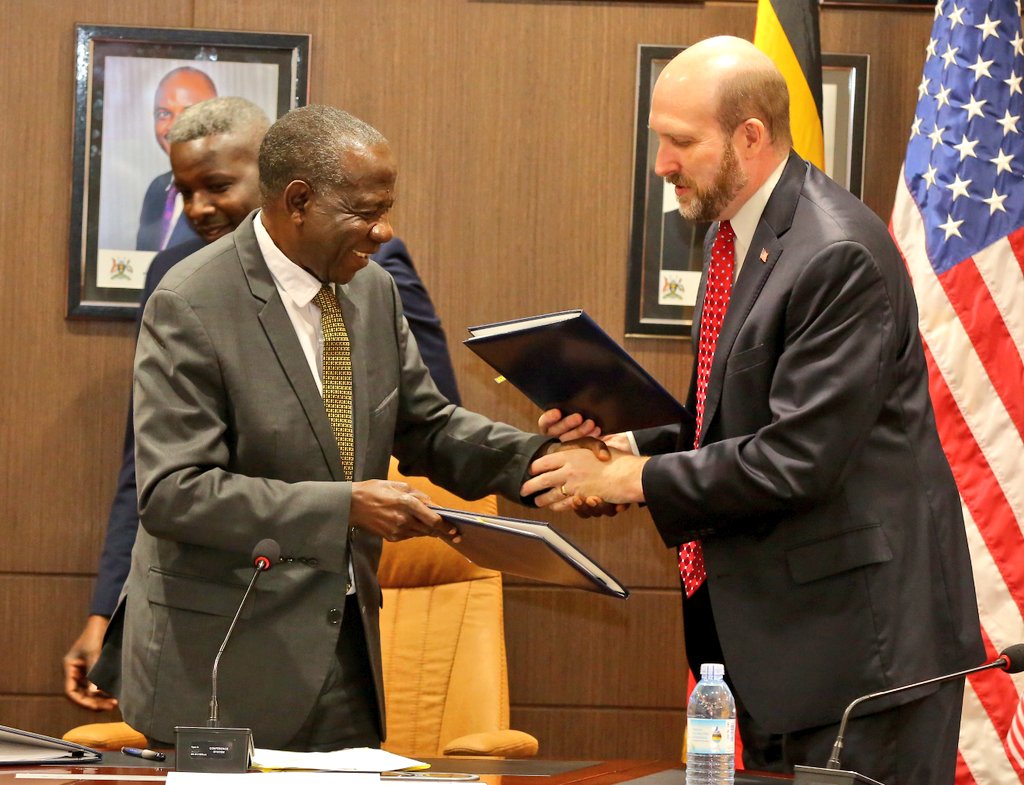
Hardly a week after his widely circulated exposé on the Kenya-United States Health Cooperation Agreement, Nelson Amenya now finds himself battling a lawsuit filed by Community Health Promoters seeking to silence what they describe as reckless misinformation on the Kenya-US Health Deal.
The petition filed on Wednesday intensifies national debate over truth, transparency, and public trust surrounding the KSh 207 billion agreement signed on December 4.
Health Promoters Drag Amenya to Court Over Alleged Misinformation on Kenya-US Health Deal
Community Health Promoters (CHPs) want the courts to halt what they argue is a calculated disinformation campaign by Nelson Amenya that has jeopardised their work on the ground.
In their filing, the workers say Amenya’s posts and claims have portrayed Kenya as having ceded its entire health system to the American government, causing unnecessary panic within communities they serve.
According to the petitioners, Amenya’s allegations have fuelled suspicion, resistance, and even hostility during routine household visits. CHPs say their primary tasks, including data collection, health education, and monitoring of vulnerable households, have been directly disrupted.
They argue this interference threatens access to healthcare and undermines the constitutional rights of Kenyans.The health promoters insist the misinformation on Kenya-US Health Deal has created fertile ground for conspiracy theories that weaken public health programmes, especially in marginalised regions.
They maintain that their work depends heavily on public trust, explaining that even minor doubts can derail vaccination campaigns, maternal health outreach, and disease surveillance.
Community Workers Detail Impact on Health Services
The CHPs told the court that Amenya’s claims—including assertions that the U.S. government would obtain real-time access to all Kenyan health records—have distorted realities on the ground.
They argue that these allegations have not only caused fear among households but also spooked vulnerable groups, including mothers, the elderly, and individuals with chronic illnesses. Several workers reported an increase in refusals to provide basic information during home visits.
Others described situations where residents questioned whether their personal details would be handed over to foreign governments. This climate of mistrust, the petitioners say, undermines early disease detection and interrupts essential programmes that rely on accurate data.
They emphasised that health promoters are guided by strict confidentiality standards and that their work is rooted in community service, not political agendas. They maintain that by attacking the integrity of the health system, Amenya’s posts risk weakening national public health resilience.
Amenya’s Explosive Claims Trigger Controversy
On December 2, Amenya unleashed a thread on X claiming the Kenya-US health deal would give Washington unfettered access to all Kenyan patient records. He went further and alleged that local hospitals would collect disease specimens and ship them to at least ten U.S.-based pharmaceutical companies for undisclosed purposes.
His posts generated massive online traction, prompting heated debates about sovereignty, privacy, and foreign interests. Amenya framed the agreement as a covert pipeline exposing Kenyans to foreign surveillance. Critics, however, accused him of exaggeration, misinterpretation, and deliberate sensationalism.
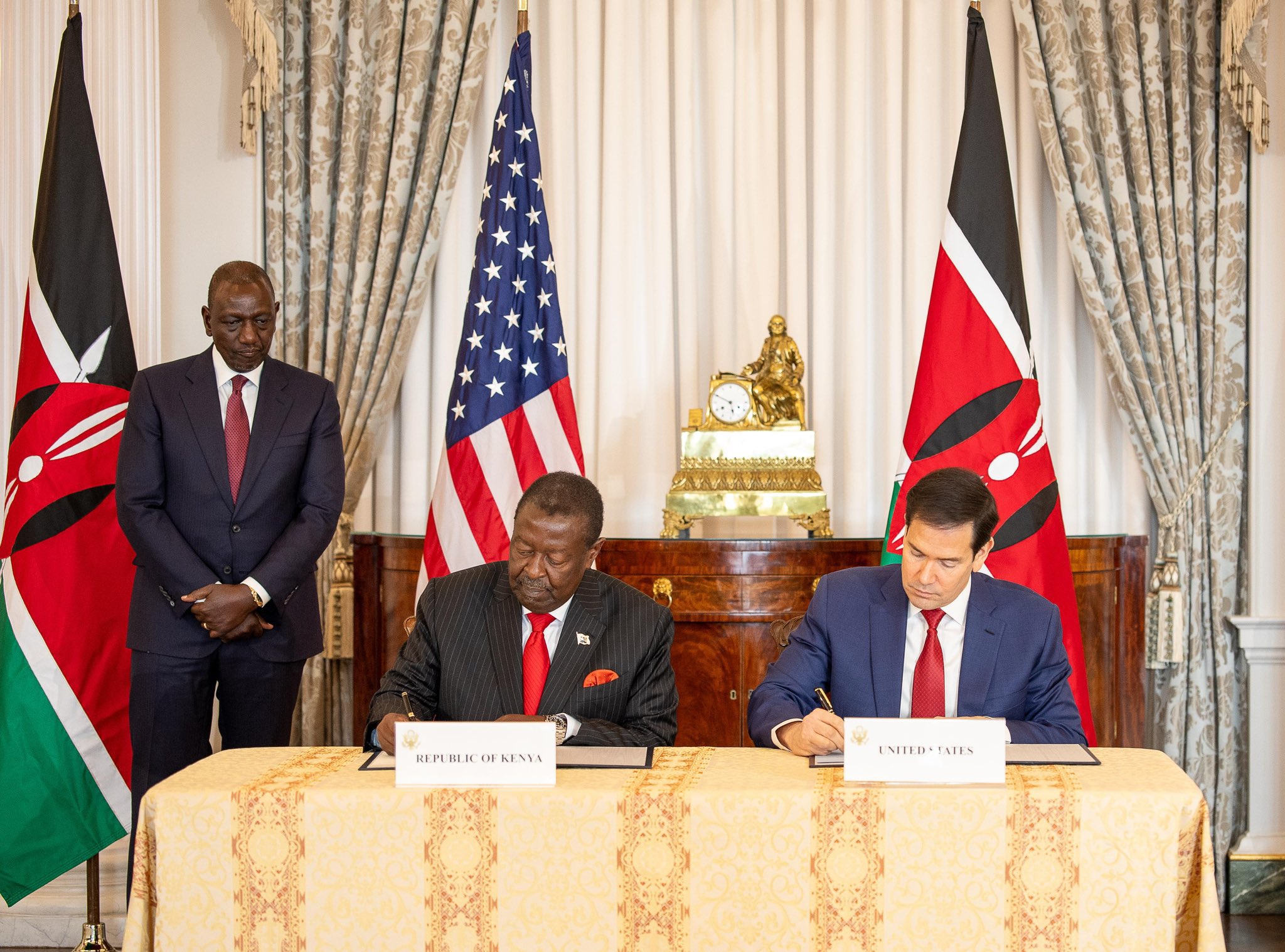
President William Ruto and U.S. Secretary of State Marc Rubio had presided over the signing of the deal on December 4, positioning it as a partnership to strengthen Kenya’s health infrastructure, supply chains, disease surveillance, and workforce training. Government officials have repeatedly dismissed claims of data harvesting as inaccurate and politically fueled.
Health Promoters Demand Retraction and Public Accountability
To curb what they view as harmful misinformation on the Kenya-US health deal, the CHPs are asking the court to force Amenya to delete the posts and to stop publishing similar allegations. They argue that the legal intervention is necessary to protect constitutional rights, restore public confidence, and maintain the integrity of community-level health work.
Their statement emphasised that they remain committed to serving Kenyan communities with accuracy, dignity, and respect. They urged the public to rely only on verified information and avoid social media narratives that jeopardise national health goals.
The case marks a new phase in Kenya’s ongoing struggle to balance transparency, activism, and responsible communication in an era where social media can sway public perception with unprecedented speed. Whether the court sides with the health promoters or the whistleblower, the outcome will likely shape future debates on accountability and information-sharing around major government agreements.