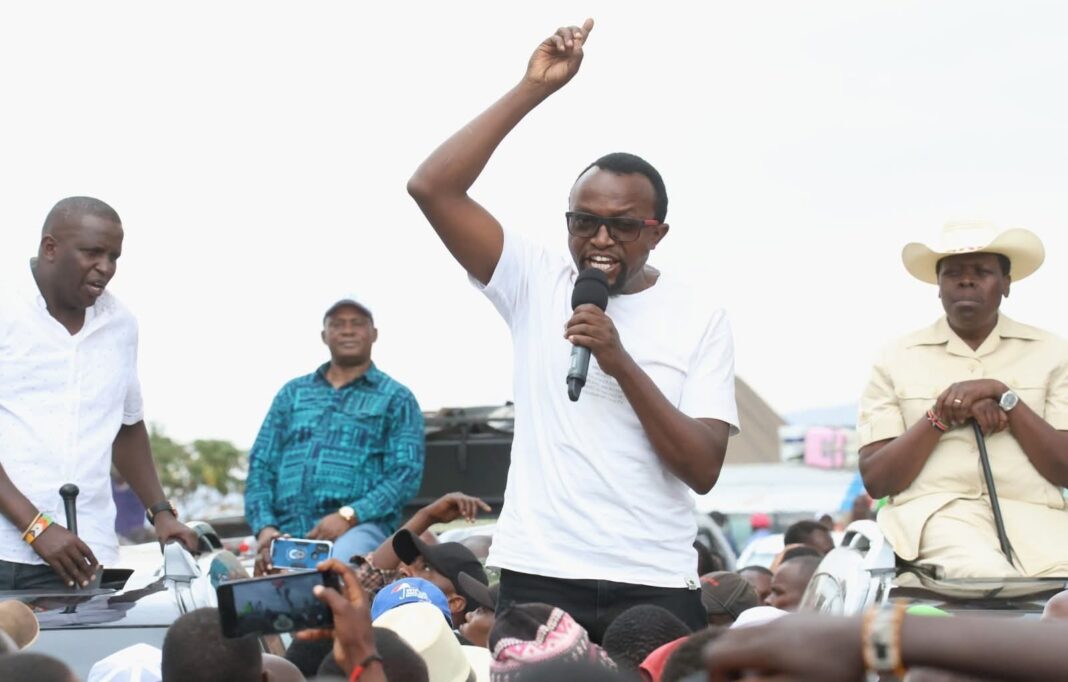
The United Opposition is facing mounting turbulence after prominent lawyer Ndegwa Njiru, long associated with former Deputy President Rigathi Gachagua, announced his allegiance to Kalonzo Musyoka’s Wiper party.
Njiru, who previously represented Gachagua during his impeachment trial at the Senate, says he now supports the broader opposition movement rather than any individual.
Speaking on Obina TV on Monday night, December 8, Njiru said his move reflects deepening divisions and the urgent need for unity around credible leadership ahead of the 2027 general elections.
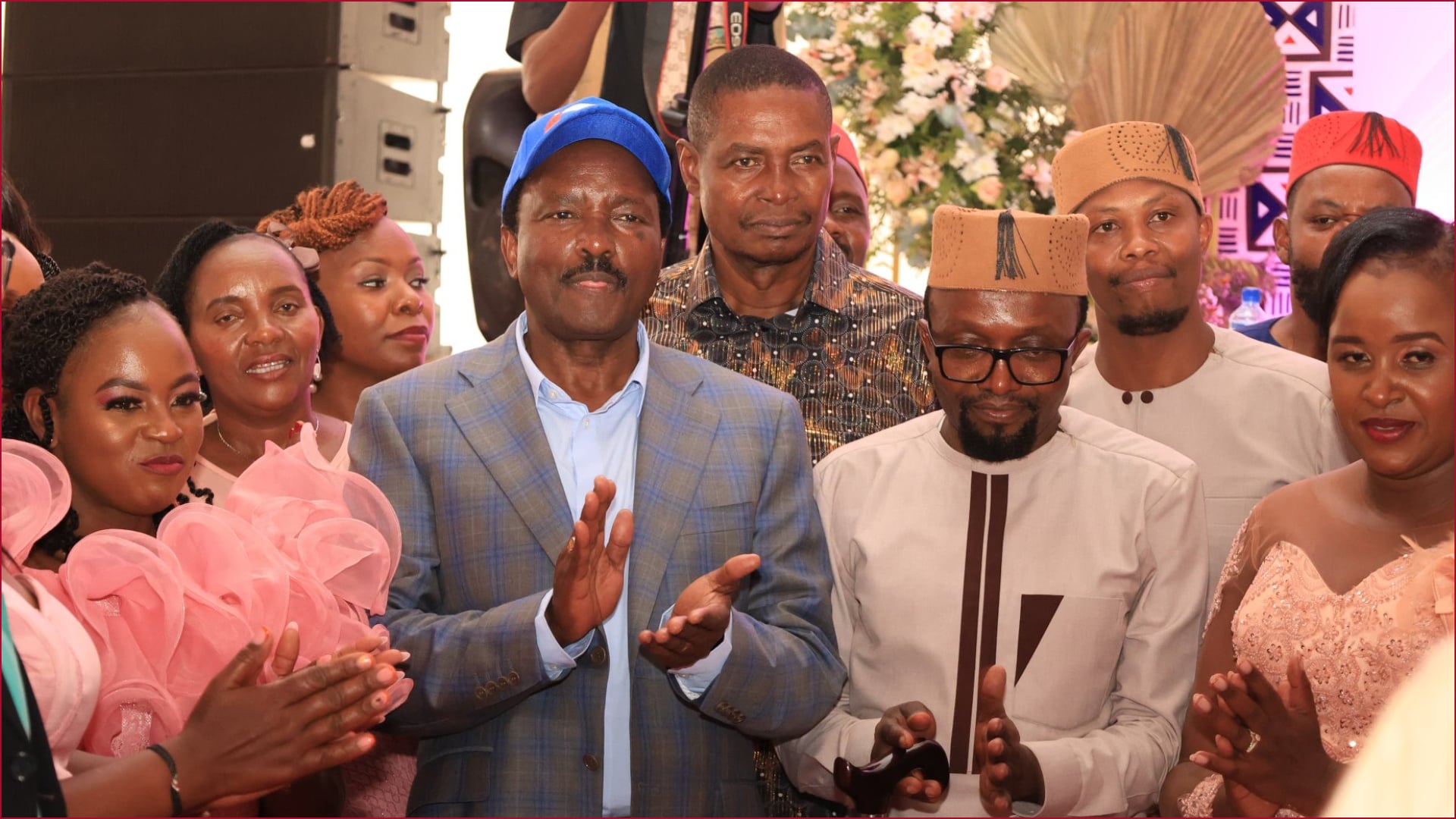
Ndegwa Njiru Signals Shift to Kalonzo Musyoka
Ndegwa Njiru’s declaration marks a significant political pivot in the United Opposition. Though he hails from the Mt. Kenya region, the lawyer rejected affiliation with Gachagua’s DCP party. “I don’t support Riggy G, I support the Opposition. The United Opposition is not about an individual, and by the way, I am not even a member of DCP. I am a member of the Wiper Patriotic Front,” Njiru told Obina TV.
The lawyer emphasized that his support is based on principles, not regional loyalties. Njiru outlined his preferred presidential candidate will adhere to ideals of the rule of law, constitutionalism, democracy, respect for institutions, human rights, accountability, equity, and social justice.
Despite his past closeness with Gachagua, Njiru insisted he will vote for whoever the United Opposition nominates for president in 2027, provided they uphold these ideals. “I will vote for any person who the United Opposition will front, as long as that person adheres to our ideals,” Njiru said.
Past Critic Turns Defender
Njiru’s relationship with Gachagua has evolved dramatically over time. Before the impeachment motion against the former deputy president, he was one of Gachagua’s fiercest critics, regularly posting on social media to challenge his decisions. However, Njiru later joined Gachagua’s defense team during the impeachment proceedings initiated by MP Mwingi Mutuse.
Following the trial, Njiru and Gachagua remained aligned within the United Opposition. Their alliance, however, appears increasingly fragile as Njiru publicly embraces Kalonzo Musyoka’s leadership vision. Political analysts see this as an early signal of the United Opposition’s internal strains, with leaders struggling to reconcile personal ambitions and ideological commitments.
Call for Ruto to Step Down
In a bold statement during the Obina TV interview, Njiru called on President William Ruto to resign from office, citing the need for new leadership. “Mr. William Ruto, my name is Ndegwa Njiru. I come from Kirinyaga. If you could do Kenyans a favor and resign and go home, you would have done this country a great service,” he said.
Njiru’s remarks underline his confidence in Kalonzo Musyoka as a trustworthy and capable contender for the presidency. By backing Musyoka, Njiru positions himself alongside a figure he believes can challenge Ruto effectively in 2027, while also highlighting cracks in the United Opposition that could influence its strategy and cohesion.
Implications for United Opposition Ahead of 2027
Political observers argue that Njiru’s shift reflects wider uncertainties within the United Opposition coalition. While the alliance was initially seen as a unified front against the Ruto administration, internal divisions over leadership, strategy, and ideology are becoming harder to conceal. Njiru’s decision to align with Wiper leader Kalonzo Musyoka, despite his past ties with Gachagua, highlights the growing influence of principle-based politics over regional loyalty.
The United Opposition now faces critical questions about its ability to maintain cohesion. Njiru’s move may inspire other members dissatisfied with Gachagua’s leadership to reconsider their positions, potentially reshaping the coalition’s political landscape. Analysts note that managing these internal divisions will be crucial for the alliance to present a credible challenge to Ruto in 2027.
Njiru’s comments also signal the increasing importance of perceived character and trustworthiness in selecting opposition leaders. By emphasizing Kalonzo Musyoka’s reliability and ethical standing, Njiru positions the Wiper leader as a candidate capable of uniting divergent factions within the coalition.
The cracks in the United Opposition are now more visible than ever, with prominent figures publicly redefining their loyalties and strategic priorities. As the 2027 elections approach, the coalition will need to reconcile these differences or risk internal conflicts undermining its electoral prospects.