Kenya’s sugar sector entered a new era on May 10, 2025, when four state-owned sugar companies were handed over to private operators under strict 30-year lease agreements. Cabinet Secretary for Agriculture and Livestock Development Mutahi Kagwe has set non-negotiable conditions that have left industry players with little room to maneuver.
From hefty rental fees to stringent investment mandates, Kagwe’s Sugar Lease Terms aim to modernize mills, protect government assets, and ensure local communities benefit. Critics say these rigid terms could make profitability a steep climb for new operators.
Kagwe’s Sugar Lease Terms Revealed
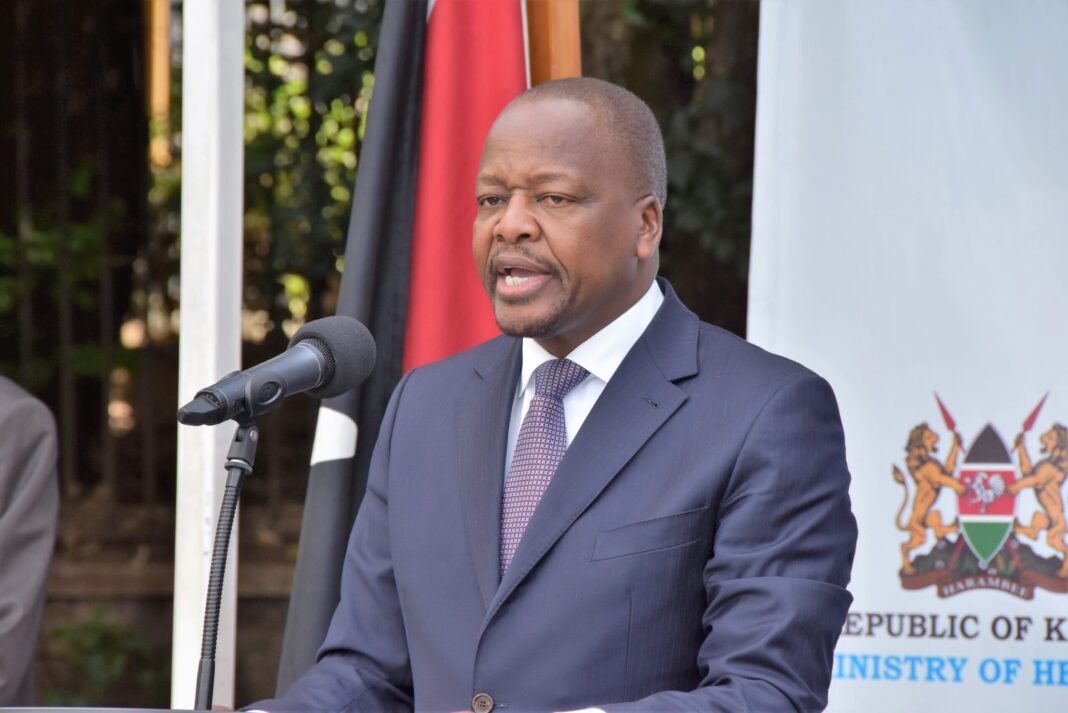
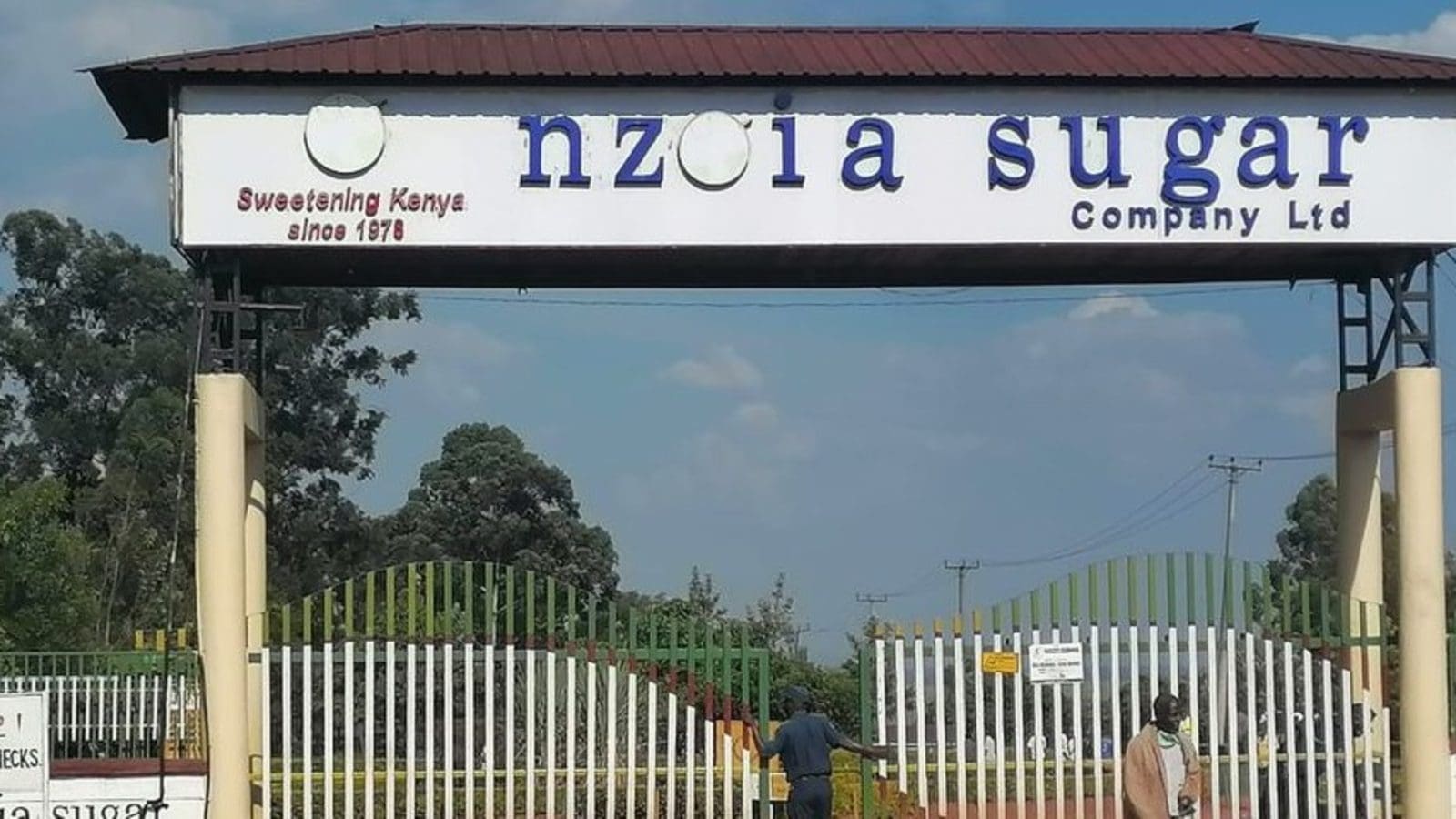
CS Kagwe appeared before parliament on December 3, 2024, to detail lease conditions for South Nyanza, Nzoia, Chemelil, and Muhoroni sugar companies. Each company has been assigned a private operator under a 30-year contract. South Nyanza now belongs to Busia Sugar Industry Ltd, Nzoia to West Kenya Sugar Company Ltd, Chemelil to Kibos Sugar & Allied Industries Ltd, and Muhoroni to West Valley Sugar Company Ltd.
Kagwe emphasized that the leases were designed to guarantee government control while ensuring private investment drives efficiency and growth. “The lessee shall not assign, transfer, pledge or make other disposition of the lease or any part thereof,” Kagwe told the parliamentary committee.
The agreements are binding and leave no room for renegotiation, making clear that the government prioritizes accountability, modernization, and community benefits over flexibility for private players.
High Rental Fees and Concession Charges
Under Kagwe’s Sugar Lease Terms, rental fees are set at Kshs. 40,000 per hectare annually for Chemelil, Muhoroni, and South Nyanza, while Nzoia attracts Kshs. 45,000 per hectare.
Concession fees add another financial layer, charging Kshs. 4,000 per tonne of sugar and Kshs. 3,000 per tonne of molasses produced. Lessees must also make a goodwill payment equivalent to one year’s lease upfront.
Industry insiders warn that such high fees could squeeze margins and increase pressure on operators to boost production and revenue quickly, raising concerns about long-term sustainability.
Mandatory Investments in Modernization
Kagwe has made it clear that private operators are responsible for revitalizing Kenya’s sugar industry. Lessees are required to:
- Develop and expand sugarcane plantations.
- Upgrade milling machinery and adopt new production technologies.
- Diversify into power cogeneration, bioethanol production, and allied sugar products.
All improvements made during the lease period will revert to government ownership once the 30-year contract ends. This ensures that public assets are not permanently lost to private hands but limits the potential for long-term private capital gains.
“The nucleus land shall only be used for cane development and not be used as collateral by the lessee,” Kagwe stressed, reinforcing government control.
Community Benefits and Safeguards
The lease agreements also aim to ensure local communities gain from private sector involvement. CS Kagwe confirmed that lease proceeds will be channeled to benefit farmers through bonuses, while land, buildings, plants, and machinery are leased with motor vehicles and livestock exempted.
By tying community benefits directly to lease proceeds, the government intends to maintain social accountability while boosting production efficiency. Farmers, however, remain cautious, noting that bonuses depend on the success of heavily invested private operators under strict regulatory oversight.
Conclusion
Kagwe’s sugar lease terms set a high-stakes environment for Kenya’s sugar sector. With rigid rental fees, mandatory investments, and community obligations, private operators face a tightrope walk between profitability and compliance.
The government ensures control and long-term asset security while demanding immediate modernization. Only time will tell whether these non-negotiable terms will revive Kenya’s struggling sugar industry or place an immense burden on the new private operators.