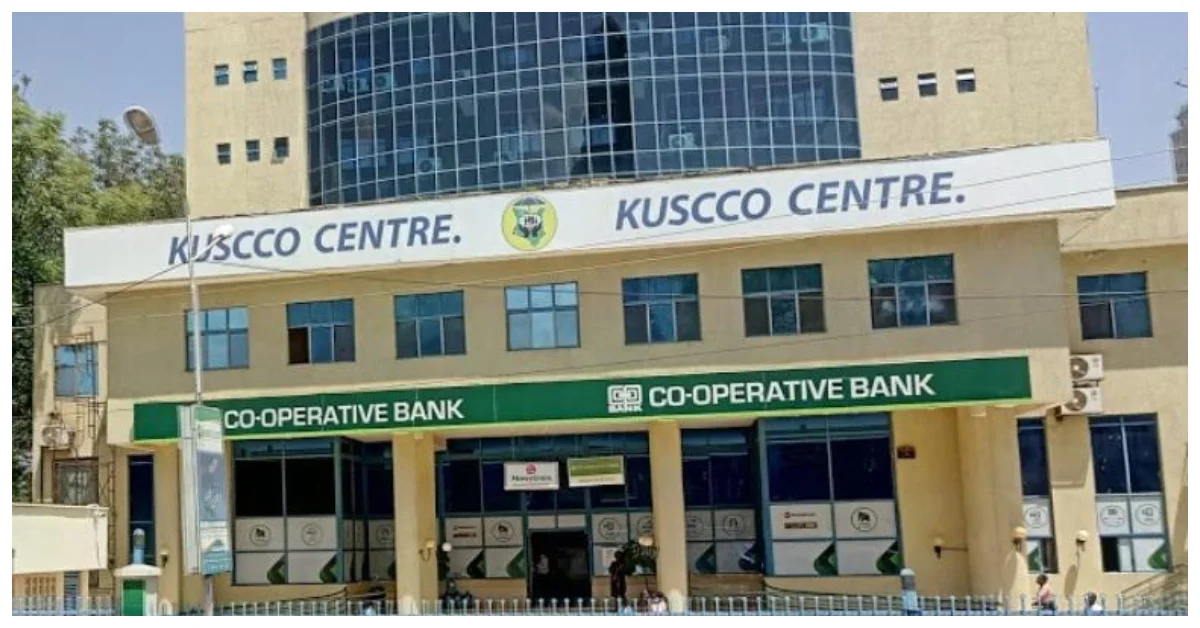
Pressure is rising inside Kenya’s cooperative movement. The government has finally taken action after years of simmering complaints, mistrust, and unanswered financial questions linked to KUSCCO and its housing arm.
A new state inquiry now targets the KUSCCO Housing Co-operative Society Limited, a key institution long accused of shielding questionable decisions behind boardroom secrecy and weak oversight.
The move follows public outcry from members desperate for accountability and clarity. It also raises a bigger question threatening the entire sector—is Kenya’s largest SACCO umbrella body losing control of its own governance?
Fresh Inquiry Targets KUSCCO Over Alleged Cover-Ups and Mounting Scandals
The government has launched a formal inquiry into KUSCCO Housing Co-operative Society Limited after members demanded answers on governance failures and financial management. A gazette notice signed by Commissioner for Co-operative Development David Obonyo confirms that the state will investigate internal operations, the conduct of current and former officials, and compliance with the Co-operative Societies Act.
Officials say the inquiry aims to restore confidence in a sector rocked by mismanagement claims. The notice reveals that Fondo Nzovu, an Assistant Commissioner for Co-operative Development, and John Kariuki Kinyanjui, a Senior Co-operative Auditor, will lead the process. They are required to begin work within 15 days.
The team will audit by-laws, financial records, and committee decisions. All member SACCOs must provide unrestricted access to documents. The government says this transparency is necessary to determine whether the housing unit engaged in the same questionable practices that have haunted the parent body, KUSCCO.
Growing Complaints Reveal Depth of KUSCO Scandals
Members of KUSCCO and its housing arm have raised numerous concerns over leadership decisions, loan management, and unclear financial reporting. The housing co-operative, founded in 1996 as the KUSCCO Housing Fund, has historically supported SACCOs in property development. But persistent governance issues have weakened confidence.
In recent years, KUSCCO faced allegations of irregular fund use, delayed remittances, and poor oversight of shared services. These issues exploded in 2025 when the organisation battled a Ksh15 billion liquidity crisis. Many members lost trust, prompting lawmakers to push for stricter rules.
The ongoing complaints drove the state to finally act. Officials say many worried members have been unable to obtain accurate financial updates from the society for months. The inquiry will now determine whether mismanagement runs deeper than previously reported.
MPs Push New Laws to Clean Up Sector After KUSCO Scandals
Parliament has responded to the crisis by pushing major reforms aimed at tightening control over secondary SACCOs. Leader of Majority Kimani Ichung’wah sponsored the Sacco Societies Amendment Bill 2025 to overhaul operations at umbrella organisations like KUSCCO.
The Bill introduces a new category called Central Liquidity and Shared Services, which covers pooled funds from multiple SACCOs. This model lies at the centre of KUSCCO’s financial problems. MPs say it allowed reckless borrowing and risky investments without proper regulation.
Under the proposed law, oversight will increase, reporting rules will tighten, and liquidity management will face new scrutiny. Lawmakers argue these changes are necessary to protect millions of Kenyan savers.
The inquiry into the housing unit is expected to support these reforms by exposing systemic failures.
Inquiry Signals Wider Threat to Coop Stability After KUSCO Scandals
The investigation into KUSCCO Housing Co-operative Society Limited exposes broader instability in the cooperative movement. KUSCCO has long been viewed as the backbone of SACCOs across Kenya. Its collapse or continued mismanagement could threaten thousands of smaller member societies.
Experts warn that weak governance in secondary SACCOs can cause ripple effects across the financial ecosystem. Member SACCOs rely on liquidity support, property services, and shared systems. When the central body falters, primary SACCOs struggle to meet obligations, weakening public trust.
The government hopes that the inquiry will reveal hidden irregularities, identify those responsible, and force long-overdue reforms. Members hope it will bring transparency and protect their savings from further risk.
The inquiry team will communicate exact dates and venues to members soon. Their findings could redefine the future of Kenya’s cooperative movement.