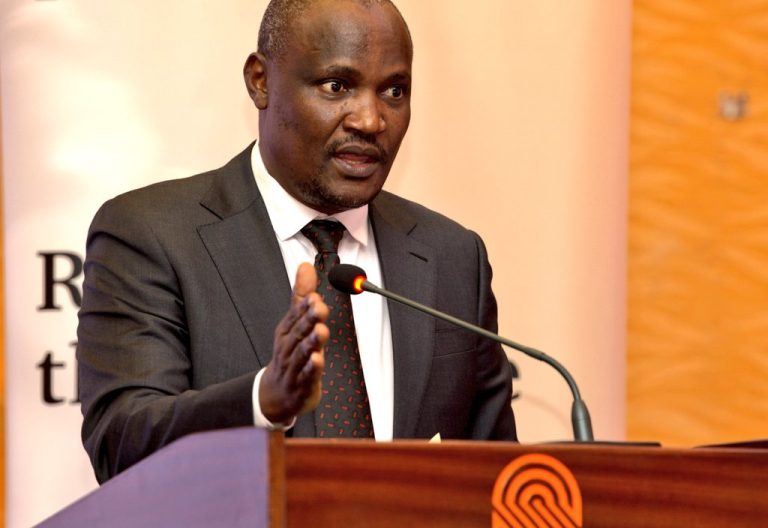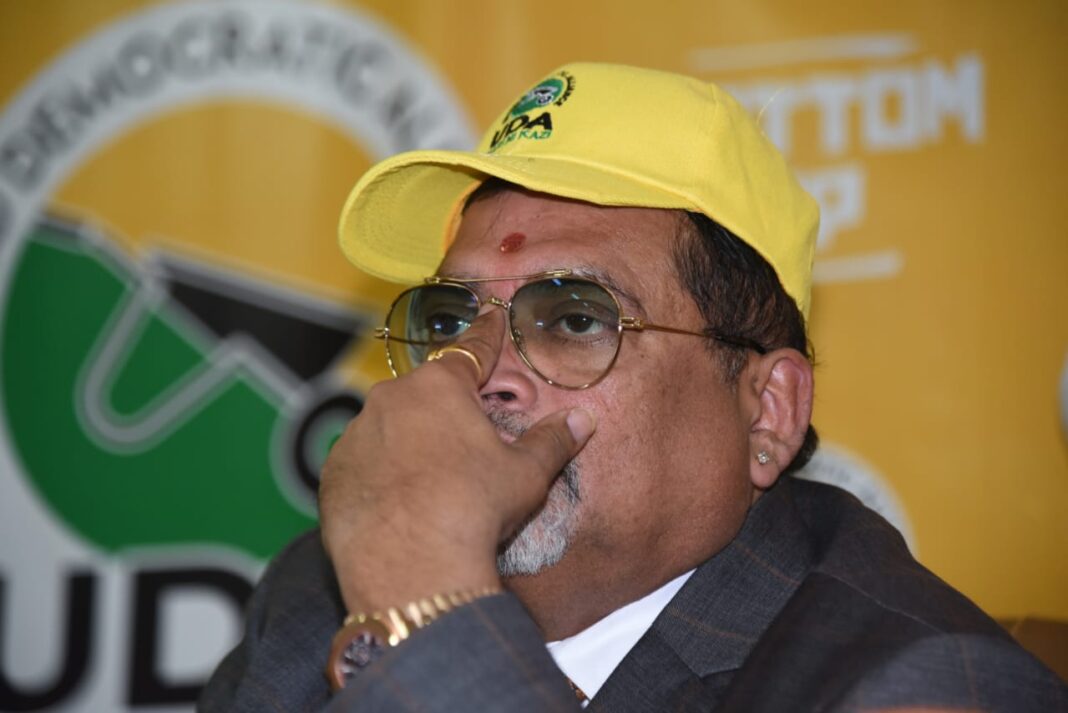
Kenya’s former Kesses MP Dr. Swarup Mishra faces a financial meltdown as several prime Eldoret properties linked to his Mediheal Group of Hospitals have been listed for auction. The multi-million-shilling loan arrears have pushed auctioneers to schedule sales of six key assets, including hospital buildings, residential properties, and farmland.
The December 10, 2025 auction along Ronald Ngala Street threatens to further tarnish Mishra’s reputation, already under intense scrutiny due to allegations of illegal organ trafficking at his medical facilities.
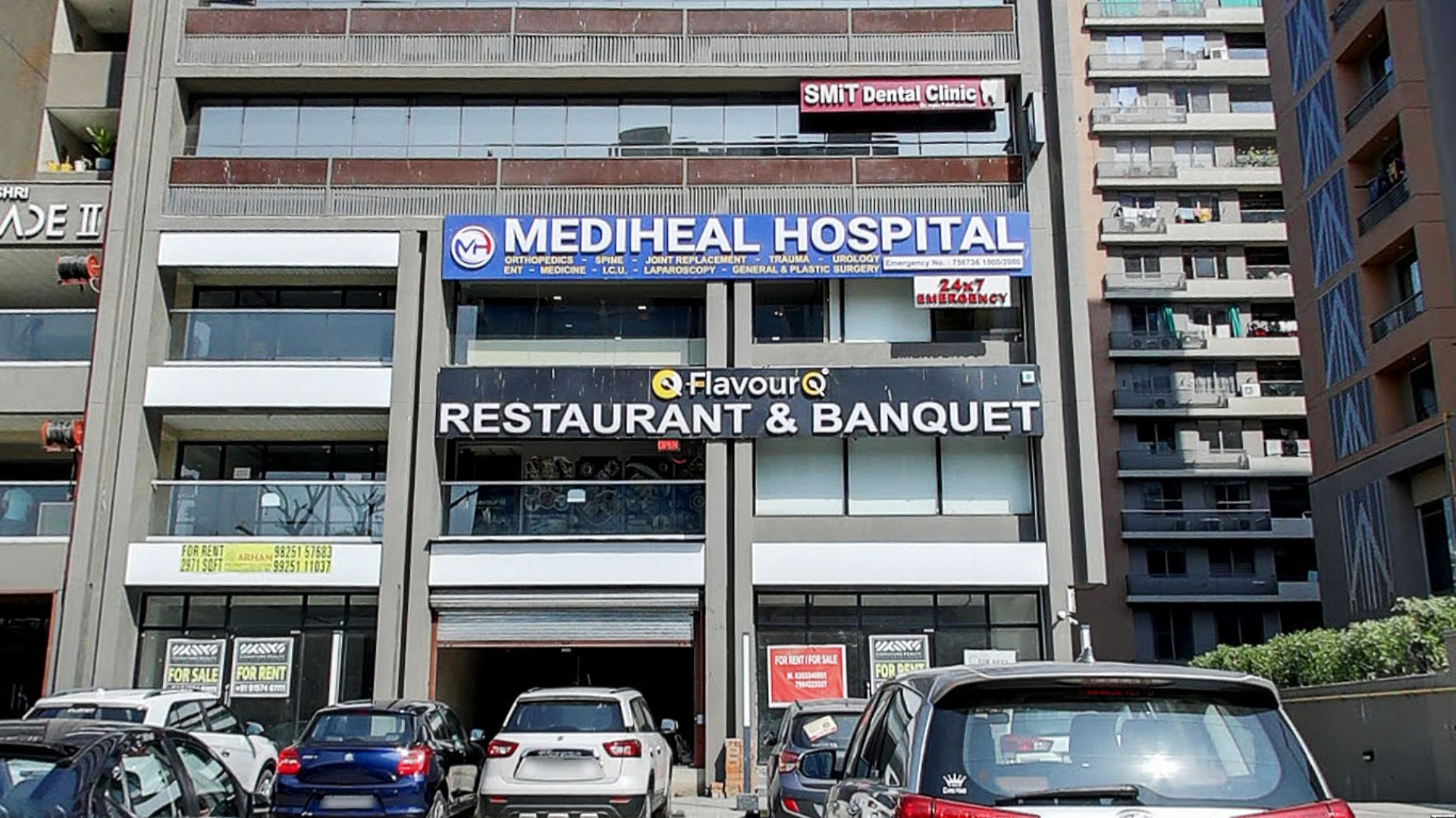
Mediheal properties up for sale highlight financial strain
The auction list includes a 0.5336-hectare parcel under Mediheal Hospital and Fertility Centre Ltd, developed with commercial buildings currently operating as a hospital. Another 0.2421-hectare property features a five-storey hospital, double-storey pharmacy, and laboratory block, all earmarked for sale.
Residential and agricultural holdings are also affected. A 0.6500-hectare maisonette registered under Swarup Mishra and Pallavi joins the auction, alongside a 1.249-hectare property in Kipkorgot and a 3.91-hectare farm in Mogobich, Uasin Gishu County. Additional parcels in Pioneer and Ngeria within Eldoret Municipality are included, reflecting the former MP’s deepening financial woes.
Financial pressure on Mishra intensified after Mediheal Hospital was reported to be owed Sh51 million by the now-defunct National Health Insurance Fund (NHIF), worsening cash flow problems and raising concerns about the hospital’s long-term viability.
Court battle over auctioned assets
Last year, High Court Judge Reuben Nyakundi temporarily halted the auction process. The judge ruled that the lending bank had failed to provide sufficient proof that the properties were used as collateral for the disputed loans. Despite the ruling, the upcoming auction indicates that the legal wrangle has yet to resolve Mishra’s debt crisis.
The ongoing legal battles and auction listings put public scrutiny on the Mediheal brand, once celebrated for its modern facilities and growing network of hospitals.
Organ trafficking allegations deepen scrutiny
Adding to Mishra’s troubles, an 18-member investigative team appointed by Health Cabinet Secretary Aden Duale reported possible illegal organ trade at Mediheal Hospital. The team recommended further investigation of four senior hospital officials over alleged unlawful kidney transplants and breaches of medical ethics.
Selling human organs remains illegal in Kenya, though enforcement is challenging. Kenyatta National Hospital reports increasing inquiries from individuals seeking to sell kidneys—a prohibited practice that exposes vulnerable populations to exploitation.
The Ministry of Health established the National Blood Transfusion Services and Human Organs Transplantation Unit in 2019 to enforce the 2017 Health Act. The framework allows voluntary organ donation before death but strictly forbids sales. Experts from the UN and WHO have warned that illegal organ markets fuel organized crime and prey on the poor, amplifying global health risks.
Mishra maintains innocence despite scrutiny
Dr. Mishra has publicly denied wrongdoing, stating he is ready to face legal consequences if investigations prove him culpable. According to him, Mediheal has conducted 476 kidney transplants since 2018, with 371 for Kenyans and 105 for foreign patients.
He emphasizes a mortality rate under 10 percent and transplant costs ranging from US$25,000 for Africans to US$35,000 for foreign patients—far below international rates.
Nevertheless, the combination of alleged human organ trafficking and mounting financial liabilities has left Mishra fighting to salvage both his assets and reputation. The Mediheal properties up for sale reflect the severity of the crisis and signal an uncertain future for the once-prominent hospital group.
As Kenya grapples with high-profile scandals and financial mismanagement in healthcare, the Mishra case underscores the urgent need for transparency, accountability, and stronger enforcement of legal frameworks governing medical institutions and their leaders.