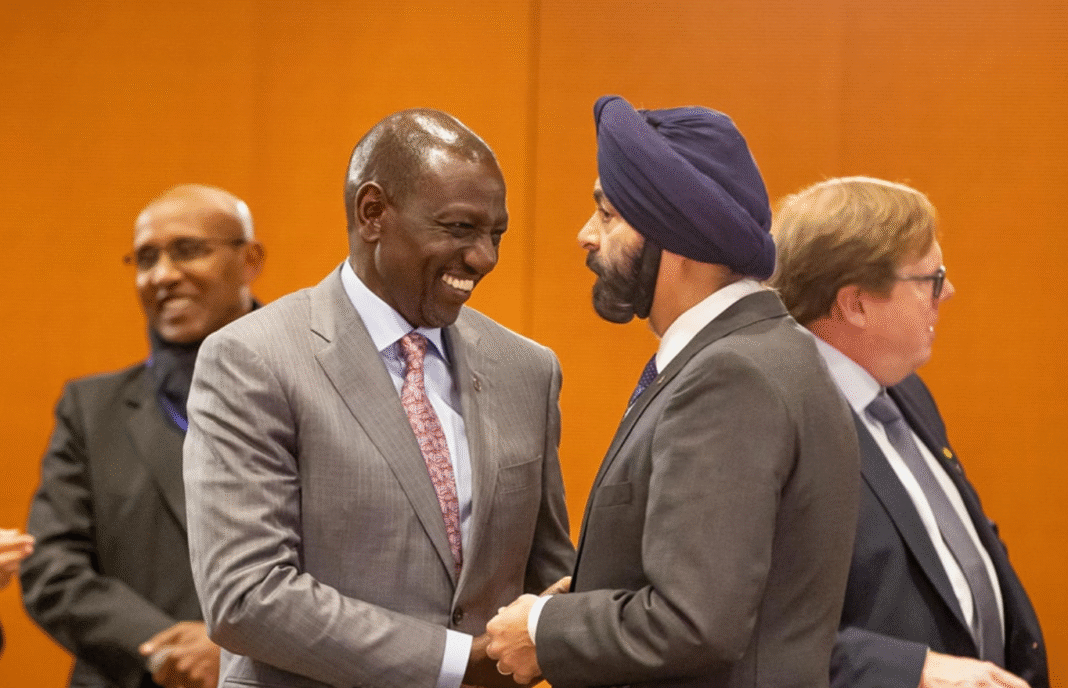
Kenya is set to receive a major boost in its quest for affordable housing as the World Bank prepares to mobilise Ksh174 billion. The funding aims to bridge the nation’s massive housing deficit, increase access to cheaper mortgages, and reduce the growth of informal settlements.
With concessional loans, commercial financing, and support from the OPEC Fund, the initiative promises to reshape Kenya’s housing landscape. This bold move comes as demand surges and home prices remain out of reach for the majority of Kenyans, putting pressure on government and private efforts alike.

World Bank to Loan Kenya for Affordable Housing
The World Bank will inject $1.35 billion (Ksh174 billion) into Kenya’s affordable housing program. This includes $375 million (Ksh48.4 billion) in concessional funding and support to secure a $900 million (Ksh116.3 billion) sustainability-linked loan from commercial lenders.
The financing is expected to help Kenya Mortgage Refinance Company, a state corporation, disburse affordable mortgages and refinance home loans. This effort aligns with President William Ruto’s ongoing push to deliver cheaper housing to low- and middle-income families.
The sustainability-linked loan is structured to reduce borrowing costs, diversify funding sources, and demonstrate how sovereign debt can drive social impact. Officials expect the loan to be approved by May 2026, offering a critical lifeline for Kenya’s housing ambitions.
Huge Housing Deficit Drives Urgent Need
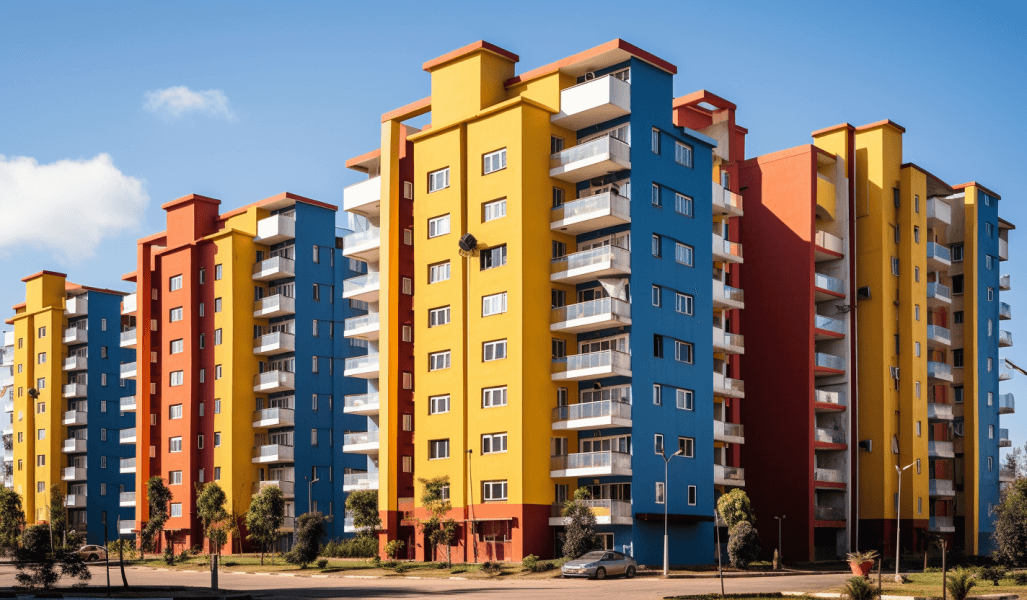
Kenya currently faces a housing deficit of over two million units, with demand rising by 250,000 households every year. New housing supply averages less than 50,000 units annually.
The World Bank notes that this gap fuels informal settlements, now home to 62 percent of urban residents. Affordable housing is scarce, especially for the growing number of formal workers earning below Ksh50,000 per month, who cannot access traditional mortgage products.
The shortage threatens not only livelihoods but also economic growth. Expanding affordable housing is critical to reducing overcrowding, improving living conditions, and supporting urban development.
International Support Strengthens Program
The World Bank is not the only external partner backing Kenya’s affordable housing agenda. The OPEC Fund will contribute $75 million (Ksh9.6 billion), adding to the overall financing pool.
Additionally, the International Finance Corporation (IFC) has invested in local housing initiatives, including financing private developers and supporting a Green Affordable Housing Fund. These investments aim to increase the supply of sustainable and environmentally friendly housing units.
President Ruto has also engaged Gulf region investors, securing support from countries such as Saudi Arabia. This international backing ensures that Kenya’s affordable housing push gains both credibility and financial muscle.
Making Mortgages Accessible for All
A key component of the World Bank’s involvement is improving access to credit. Credit guarantee schemes are planned to help informal and non-salaried workers qualify for mortgages.
This approach targets affordability barriers, enabling more Kenyans to own homes without being trapped by high-interest rates or rigid lending criteria.
By integrating concessional financing, commercial loans, and guarantees, the World Bank’s program aims to transform the mortgage landscape in Kenya. If successful, this could create a model for other African nations facing similar housing crises.
Kenya’s ambitious affordable housing program now stands at a turning point. With Ksh174 billion mobilised through the World Bank, OPEC Fund, and international partners, the nation may finally see significant progress in providing homes for low- and middle-income families.
President Ruto’s persistent efforts, combined with global support, highlight a commitment to tackling one of Kenya’s most pressing social challenges. The next few years will be decisive in determining whether these plans translate into tangible housing solutions.