
Kenyan detectives have dismantled a major cyber fraud syndicate run by three Nigerian nationals in Mwea Town, Kirinyaga County. The suspects, who had been operating from a rented apartment in Mwaliko Estate, were arrested after vigilant residents tipped off authorities about suspicious late-night activities.
The Directorate of Criminal Investigations (DCI) moved swiftly, conducting a dramatic multi-agency raid that uncovered dozens of mobile phones, SIM cards, and credit cards linked to online scams. The operation has exposed how foreign cybercriminals infiltrate Kenyan towns to exploit unsuspecting citizens.
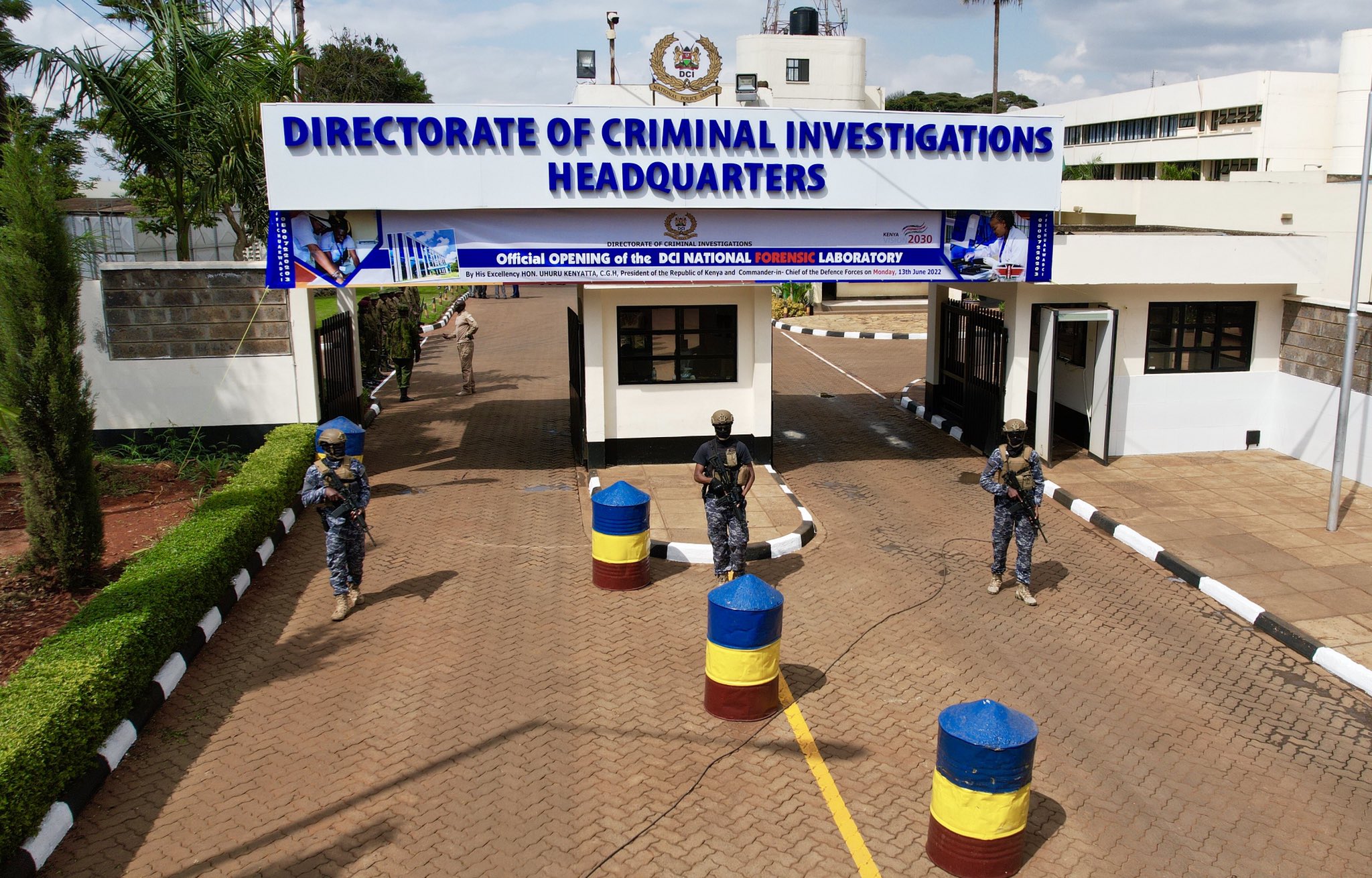
DCI Exposes Nigerians Behind a Cyber Fraud Syndicate
The Directorate of Criminal Investigations has confirmed the arrest of three Nigerian nationals suspected of masterminding an elaborate cyber fraud operation in Mwea. Detectives conducted the raid on Wednesday night following reports from residents who noticed strange activities within their estate.
According to the DCI, the suspects had turned their rented apartment into a hub for digital fraud. The operation led to the seizure of 21 mobile phones, 79 SIM cards, a laptop, and multiple credit cards from different banks—tools often used in online scamming schemes.
Officials said the items recovered pointed to a highly organized operation involving multiple victims. Detectives believe the syndicate may have been running phishing, fake online lending, and card-cloning scams targeting Kenyan users.
The agency praised the vigilance of Mwea residents whose quick action helped dismantle what could have been a major cybercrime ring.
Inside the Night Raid That Unmasked the Syndicate
The breakthrough came after locals in Mwaliko Estate grew suspicious of the Nigerians’ frequent late-night movements and unusual deliveries. Some neighbors reported hearing phone conversations in foreign accents deep into the night.
Acting on these reports, DCI officers, supported by other security agencies, launched a stealth operation that cornered the suspects in their hideout.
According to investigators, the suspects initially claimed they were running an online business. However, a quick background check revealed that all three were in Kenya illegally. Their visitor passes had expired months earlier, and none of them possessed valid work permits.
Detectives believe the group may have used Kenya’s robust internet infrastructure and mobile banking systems to carry out online scams targeting local and international victims.
Evidence Points to Deep Cybercrime Links
Preliminary findings show the operation was not a small-time hustle but part of a broader fraud network. The DCI revealed that the laptop and mobile devices found at the scene contained traces of multiple digital wallets, fake bank accounts, and cloned payment systems.
Each SIM card recovered was registered under different names, a common tactic used by cybercriminals to evade tracking and move funds across mobile platforms. The credit cards, some from foreign banks, raised suspicion of international financial fraud.
Forensic experts from the DCI’s cybercrime unit are currently analyzing the recovered gadgets to trace digital footprints and identify victims. Sources indicate that investigators are also working with Interpol and Nigerian authorities to determine whether the suspects are linked to wider West African cybercrime syndicates.
Legal Consequences and a Growing Cybercrime Threat
The three suspects face multiple charges, including computer fraud under the Computer Misuse and Cybercrimes Act, 2018, and possession of stolen or forged electronic data. These offenses carry penalties of up to seven years in prison upon conviction.
Security experts warn that Kenya is becoming a target for transnational cybercriminals due to its high internet penetration and growing digital economy. Cybercriminals exploit vulnerabilities in mobile money, banking, and e-commerce systems, often using fake identities and social engineering techniques to steal funds.
The DCI has urged Kenyans to remain vigilant, especially when conducting online transactions. The agency emphasized that public cooperation remains crucial in fighting digital fraud.
“The public played a key role in exposing this syndicate,” a senior DCI officer said. “Community intelligence and swift action saved many potential victims from financial loss.”
The arrest of the Nigerians has reignited concerns about foreign nationals abusing Kenya’s hospitality to conduct illegal operations. It also highlights the need for stricter immigration enforcement and digital security measures to safeguard citizens’ financial data.
As investigators continue to trace the syndicate’s financial trails, the case stands as a strong warning to cybercriminals that Kenya’s security agencies are closing in on digital fraudsters hiding behind keyboards.