
Less than a month after Kenya abandoned the US dollar to repay its Standard Gauge Railway (SGR) loan in Chinese yuan, Ethiopia has taken a similar path. The Horn of Africa nation is now in early talks with Beijing to convert USD 5.38 billion (Ksh 695.23 billion) of its debt into yuan-denominated loans.
The move aims to lower borrowing costs and strengthen trade ties with China. Analysts say Ethiopia’s shift underscores the growing preference for the yuan in African economies seeking to ease dollar dependency and cushion against currency volatility.
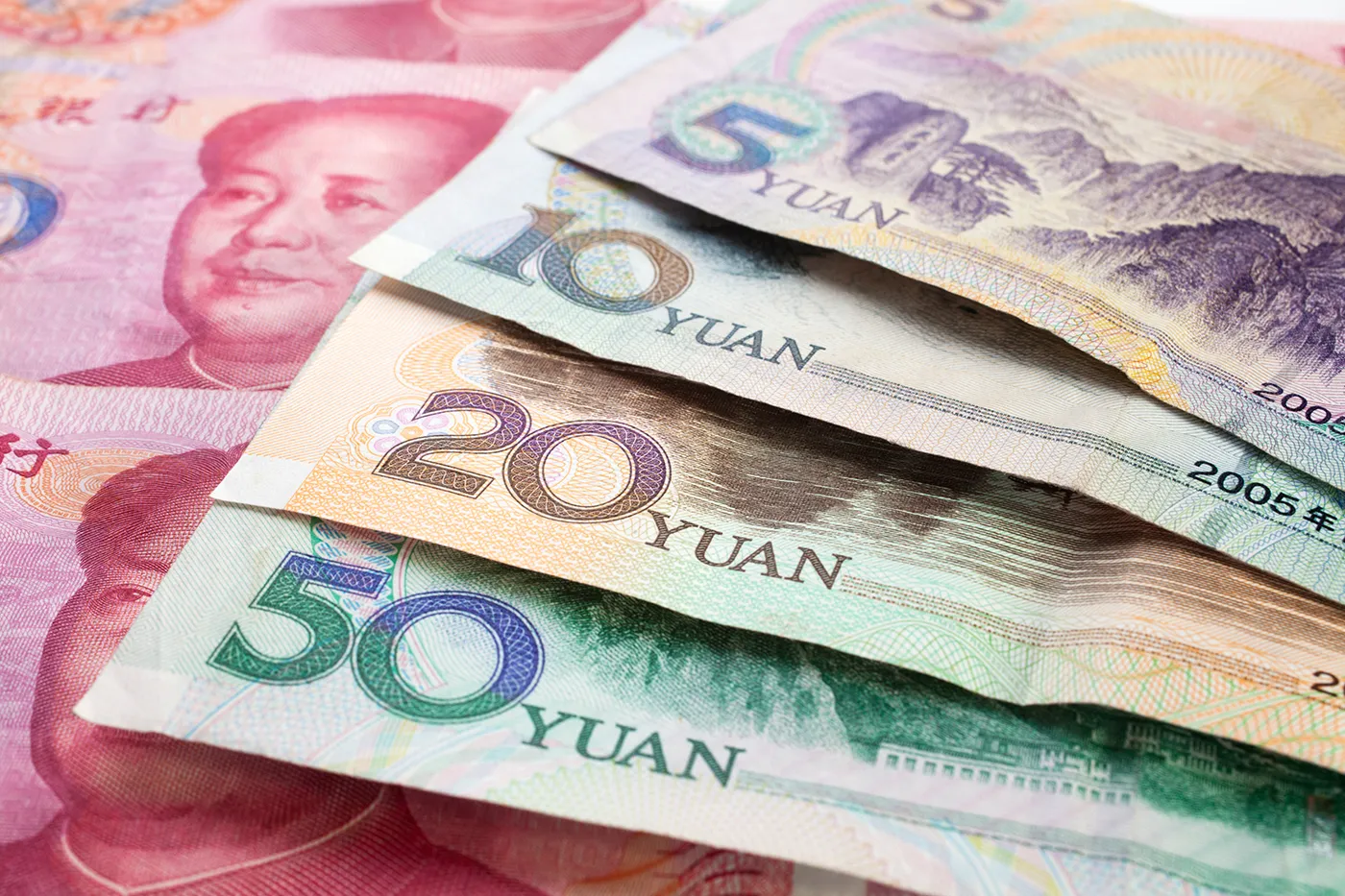
Ethiopia Moves to Convert Chinese Debt Into Yuan
Ethiopia has opened negotiations with Chinese authorities to convert part of its USD5.38 billion debt into yuan. The talks are part of Addis Ababa’s broader strategy to reduce external financing costs and deepen trade relations with Beijing.
The country’s central bank governor, Eyob Tekalign, confirmed that discussions took place in Beijing last month with the Export-Import Bank of China and the People’s Bank of China.
“China is a key partner for us, with rising trade and investment flows. It is sensible to explore a currency swap, including partial debt conversion. We have formally requested this and are progressing the discussions,” Tekalign told reporters in Washington during the IMF and World Bank meetings.
The Ethiopian government sees this arrangement as a way to stabilize its finances amid external debt pressure and fluctuating exchange rates. The move mirrors Kenya’s recent decision to ditch the dollar in debt repayment, signaling a regional trend toward diversifying currency portfolios.
Ethiopia defaulted on some of its foreign debt in 2023 and is now working to restructure about USD15 billion (Ksh1.94 trillion) in external obligations. Officials believe converting some of this debt to yuan could help create fiscal space and attract more Chinese investments.
IMF Weighs In on Yuan-Denominated Debt
The International Monetary Fund (IMF) has acknowledged the potential benefits of debt conversions and currency swaps between African nations and China.
IMF Africa Director Abebe Selassie noted that these arrangements could bring meaningful fiscal relief. “Over the course of loan amortisation, these swaps could provide nontrivial savings for Ethiopia and others considering similar agreements,” he said.
Experts say switching to yuan could shield Ethiopia from dollar volatility, particularly at a time when global interest rates remain high. The yuan’s growing influence in African trade and infrastructure financing aligns with China’s ambition to expand its global financial footprint.
However, critics argue that such deals could further increase Africa’s dependency on Beijing, particularly if local economies become overly tied to the yuan. Economists have warned that transparency and fair terms must guide these conversions to avoid hidden costs or future repayment complications.
Kenya’s Example Encourages Regional Shift
Ethiopia’s decision comes shortly after Kenya made global headlines for converting its USD5 billion SGR loan into yuan. On October 7, the Kenyan Treasury completed the conversion to ease interest burdens and reduce the strain of dollar-denominated repayments.
According to Finance CS John Mbadi, the move will save the country about Ksh27.78 billion (USD215 million) annually. The Treasury noted that Kenya had been struggling to meet its repayment obligations amid a weakening shilling and rising dollar rates.
The conversion effectively lowered the interest rate on Kenya’s SGR loan, offering much-needed fiscal relief. Kenya had entered into the Chinese-funded SGR project in 2013, one of Africa’s largest infrastructure initiatives backed by Beijing.
Economists believe Ethiopia’s decision to follow Kenya’s example shows a deepening shift in East Africa’s debt management approach. By adopting the yuan for large-scale obligations, both nations aim to protect their economies from dollar shocks and inflationary pressures.
Broader Implications for Africa-China Relations
The push to convert Chinese debt into yuan signals a growing realignment in Africa’s financial partnerships. Both Kenya and Ethiopia are positioning themselves to benefit from China’s efforts to internationalize its currency and reduce dollar dominance in global trade.
Analysts note that such moves may reshape how African nations structure future loans, with more countries likely to consider yuan-based financing for major infrastructure projects.
President William Ruto and Prime Minister Abiy Ahmed have both emphasized the importance of diversifying foreign exchange exposure and strengthening African cooperation in debt management. During their July 2025 meeting in Addis Ababa, the two leaders discussed economic resilience and the potential for shared financial strategies within the region.
For now, Ethiopia’s talks remain in the early stages, but the trend is clear: more African nations are exploring alternatives to the dollar to reduce fiscal strain and maintain sovereignty over their economic policies.
If successful, Ethiopia’s yuan-denominated deal could pave the way for other debt-burdened nations to follow, reshaping Africa’s financial relationship with China and potentially shifting the continent’s long-standing reliance on Western currencies.