Parents of Litein Boys High School in Kericho have taken the school administration to court over what they describe as an unjustified and excessive Ksh69 million damage bill. The decision by the school to charge each student Ksh49,000 following the recent unrest has triggered outrage, with parents accusing the administration of financial exploitation and mismanagement.
They argue that the imposed levies are neither transparent nor fair, questioning how such a massive figure could be justified given the extent of the damage caused during the student unrest on September 21, 2025.
Parents Demand Transparency Over the Ksh69 Million Damage Bill
In a petition filed through their lawyers, the aggrieved parents claim the school has made it a habit to demand money every time students protest. They say the administration has failed to address the root causes of the unrest, choosing instead to punish parents financially.
Lawyer Danstan Omari, representing the parents, stated that the school’s management might be deliberately inciting strikes to profit from the imposed fines.
“The first strike that happened, parents paid without questioning. Another strike, the parents paid without questioning. This is the third strike; the parents now believe the principal and management are instigating these strikes,” Omari said.
Parents are now demanding accountability and an investigation into how the administration arrived at the figure of Ksh69 million. They also insist that any damages involving school infrastructure—such as dormitories—should be repaired using funds provided by the government through annual capitation.
Lawyers Call Out “Criminal Enterprise” in Damage Billing
Lawyer Shadrack Wambui, who is part of the legal team representing the parents, did not mince words in his criticism. He said the Ksh69 million charge was not the result of any transparent process but a deliberate scheme to exploit parents.
“This means that the Ksh69 million fine that has been demanded by this school has not been arrived at through a transparent process. This is a criminal enterprise by the management,” Wambui said.
Parents also want a detailed inventory of all the property destroyed and a comprehensive audit of the funds collected during previous unrests. They allege that past collections were never accounted for, raising suspicions of corruption within the school’s management.
The ongoing court case is expected to shed light on how funds collected after such incidents have been utilized and whether the administration has been following due financial procedures.
School Faces Scrutiny After Series of Student Strikes
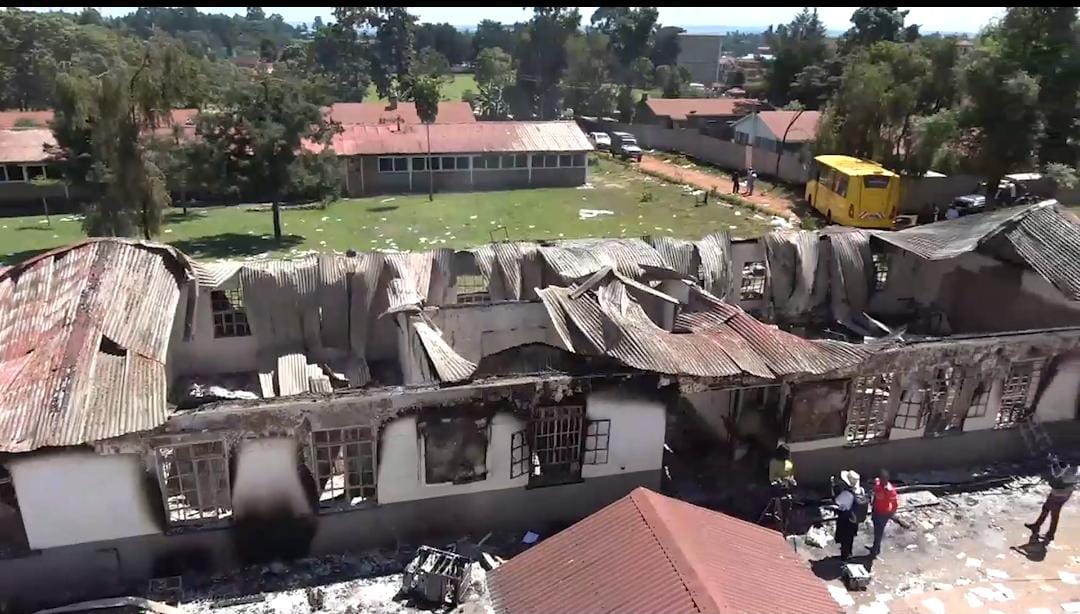
The controversy follows weeks of tension after Litein Boys High School was closed indefinitely on September 21, 2025, when students went on a rampage, destroying property worth millions. A dormitory was burned down during the incident, forcing the school to send learners home.
Sources within the school said the unrest began after students protested a decision to sit for joint exams with neighboring schools. Other reports suggested the protest escalated after the administration allegedly barred students from watching an English Premier League match.
Footage shared online showed burnt dormitories and damaged school property, fueling the ongoing public debate over student discipline and school management accountability.
Administration Plans Phased Reopening Amid Growing Tensions
Despite the legal battle, the Litein Boys administration has already released a phased reopening plan. The first group of students is expected to report back on October 9, though many parents say they will not allow their children to return until the court resolves the issue.
Education officials have yet to release an official statement, but pressure is mounting on the Ministry of Education to intervene. Many education stakeholders argue that while schools must maintain discipline, imposing exorbitant fines without transparency only worsens the mistrust between parents and administrators.
The unfolding case has put the Litein Boys administration under sharp public scrutiny. If proven that school officials benefited financially from repeated strikes, it could expose deep-seated corruption in school management practices.