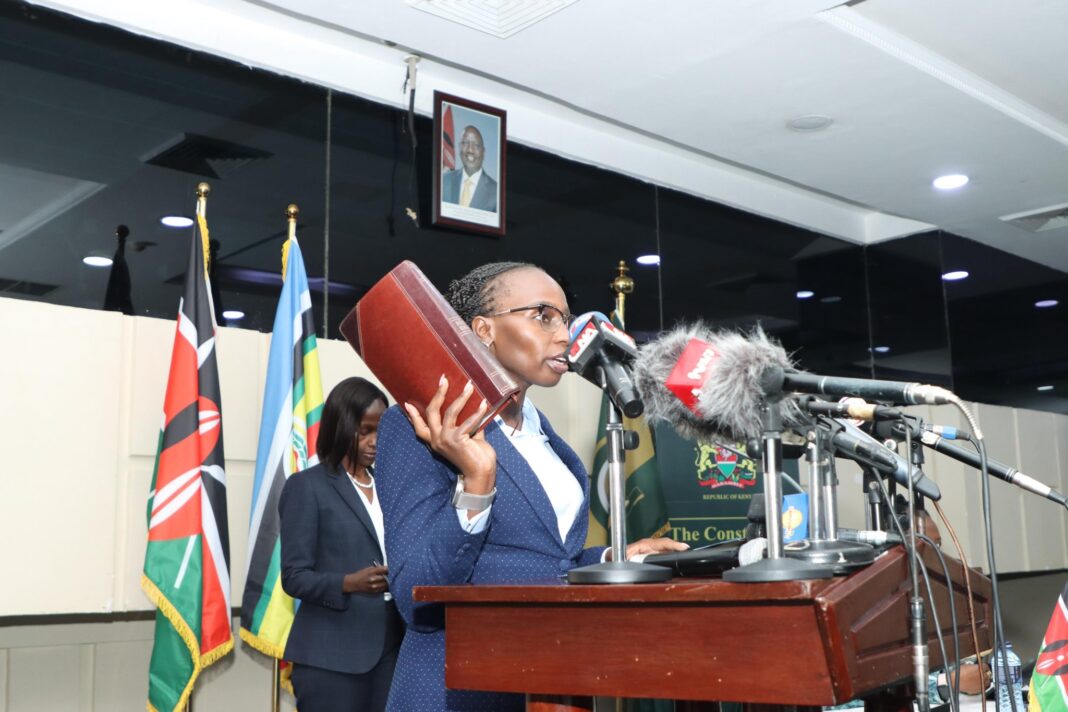
The Kenyan High Commission in Mozambique has sounded an alarm over rising cases of Kenyans overstaying in the Southern African nation despite the 90-day visa-free travel agreement.
In a public notice issued on Sunday night, the embassy warned that citizens who breach the 90-day limit risk legal action, hefty fines, or even long-term travel bans under Mozambique’s strict immigration laws. The statement followed reports that several Kenyans were ignoring the visa waiver terms signed between the two countries in 2018.
Mozambique’s immigration law clearly states that foreigners must leave the country once their permitted stay expires. Yet, the Kenyan Embassy says it has witnessed a worrying trend of Kenyans remaining past the 90-day threshold—an act that could attract penalties and travel restrictions lasting up to 10 years in serious cases.
“The High Commission urges all Kenyans travelling to Mozambique to strictly comply with the permitted duration of stay to avoid inconveniences, fines, or other sanctions,” the embassy said.
The Growing Problem of Overstays in Mozambique
The visa-free agreement between Kenya and Mozambique was meant to boost trade, tourism, and cultural exchange between the two nations. Signed on November 21, 2018, during a bilateral meeting between former President Uhuru Kenyatta and then-Mozambican President Filipe Nyusi, the deal opened borders to citizens carrying ordinary passports.
But instead of promoting smooth travel, the agreement has now exposed a problem—Kenyans overstaying beyond the permitted 90 days.
Mozambique introduced new foreigner laws in January 2023 to tighten border control and regulate overstays. Under these regulations, authorities can impose heavy fines, detain offenders, or impose bans of up to 10 years on repeat violators.
Officials in Maputo say the lenient visa-free system has been abused by individuals attempting to engage in informal work or business activities without proper authorization. This has put genuine travelers and investors at risk of stricter entry scrutiny in the future.
The Kenyan Embassy insists that citizens must follow the immigration timelines if they wish to preserve the mutual trust built through the visa-free policy.
Kenya’s Broader Push for Open African Travel
The embassy’s warning comes at a time when Kenya is championing visa-free travel across Africa. In July, President William Ruto’s administration removed all Electronic Travel Authorisation (eTA) requirements for nearly every African country, reinforcing Kenya’s commitment to continental integration.
The decision means that citizens from 52 African nations can enter Kenya freely, a move designed to strengthen diplomatic ties and boost tourism. Only Somalia and Libya were excluded from the policy due to ongoing security concerns.
According to a Cabinet dispatch dated July 14, the government’s goal is to support open skies policies and enhance tourism across the continent. The directive also aligns with the African Union’s vision of borderless movement for trade and development.
East African Community (EAC) citizens, including those from Burundi, the Democratic Republic of Congo, Rwanda, South Sudan, Tanzania, and Uganda, enjoy the longest visa-free stays in Kenya—up to 180 days.
However, the Kenyan Embassy’s latest statement shows that the benefits of visa-free arrangements can only be maintained if travelers uphold discipline and comply with host country laws.
Consequences of Violating the 90-Day Visa-Free Travel Agreement
The 90-day visa-free travel window was introduced to simplify movement between Kenya and Mozambique, but its misuse could have lasting diplomatic and economic consequences.
Mozambique’s immigration laws are strict. Any foreign national who overstays risks fines, detention, and blacklisting. In severe cases, individuals can be barred from re-entering the country for up to a decade. Such bans can disrupt cross-border business, tourism, and family visits.
Kenyan officials warn that repeated abuse of the visa-free privilege could force Mozambique to review or suspend the agreement altogether, which would hurt thousands of legitimate travelers.
“The High Commission will continue to monitor compliance and engage Mozambican authorities to protect law-abiding citizens,” the statement read.
Experts in regional diplomacy note that the warning reflects broader concerns about visa-free movement across Africa. While many governments are pushing for open borders, misuse by travelers could prompt countries to reintroduce restrictions, undermining the dream of seamless continental mobility.
The Need for Responsibility and Respect in Travel
Kenya’s diplomatic mission in Maputo is urging citizens to treat the visa-free privilege as a symbol of trust and partnership—not a loophole for illegal stays or unregulated work.
Analysts say that while the move to scrap visa barriers across Africa is a milestone in regional unity, it demands responsible citizenship. Every traveler must respect the host country’s laws, entry conditions, and time limits.
The 90-day visa-free travel arrangement remains a valuable tool for promoting cultural and economic ties between Kenya and Mozambique. But if citizens continue to ignore the rules, the hard-won freedom could easily be reversed.
The embassy’s firm warning serves as a reminder: Africa’s dream of free movement depends on mutual respect.